Quality assurance, supply chain transparency, and customization options make recovered resin an economical, sustainable alternative to virgin materials in some applications.
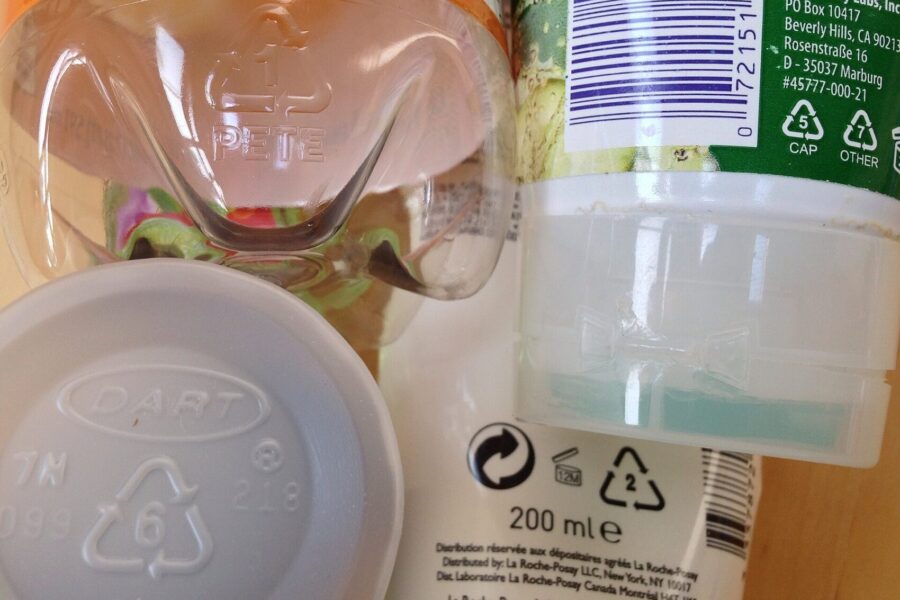
As Extended Producer Responsibility (EPR) laws are enacted by more governments and municipalities, manufacturers and packaging companies face new levels of accountability for what happens to their packaging after it serves its main purpose. In this environment, even small on-pack details, like resin identification codes (RICs), carry increased regulatory, financial,…
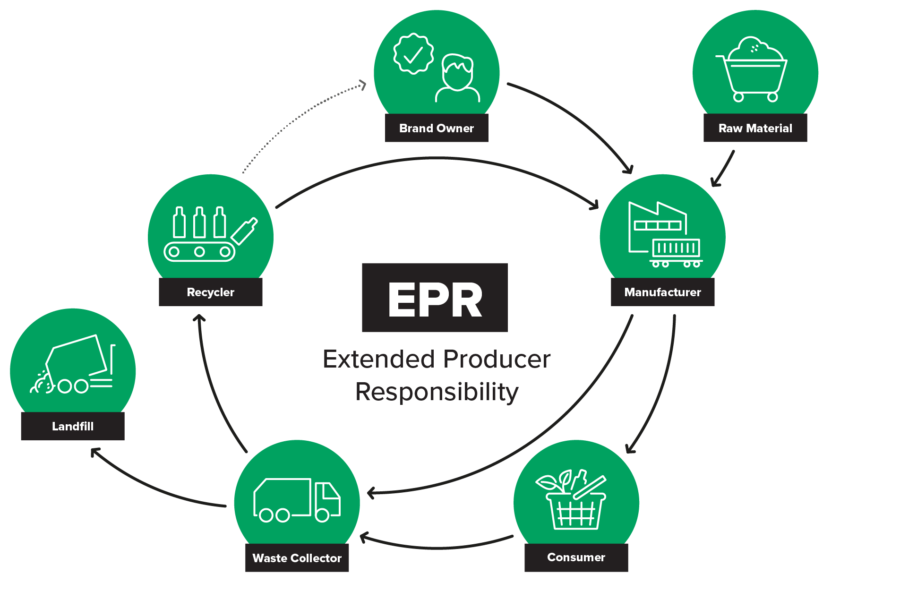
Extended Producer Responsibility (EPR) is quickly reshaping how packaging is regulated, financed, and managed in the United States and around the world. It's a huge change for manufacturers and packaging companies: you’re responsible not only for putting the packaging out into the world, but also for what happens to it…
Recycling is the process of converting waste into reusable materials. In theory, almost all plastic can be recycled—but in practice, various barriers make the process far from perfect. These challenges have fueled headlines, lawsuits, and public debates portraying plastic recycling as a “lie.” The truth is more complex. Plastic recycling…
We often field questions and concerns about the importance, validity, and impact of recycling. This video from PrintPak explains the importance and reality of recycling, especially in the packaging of food products. Recycling is real and makes a difference.